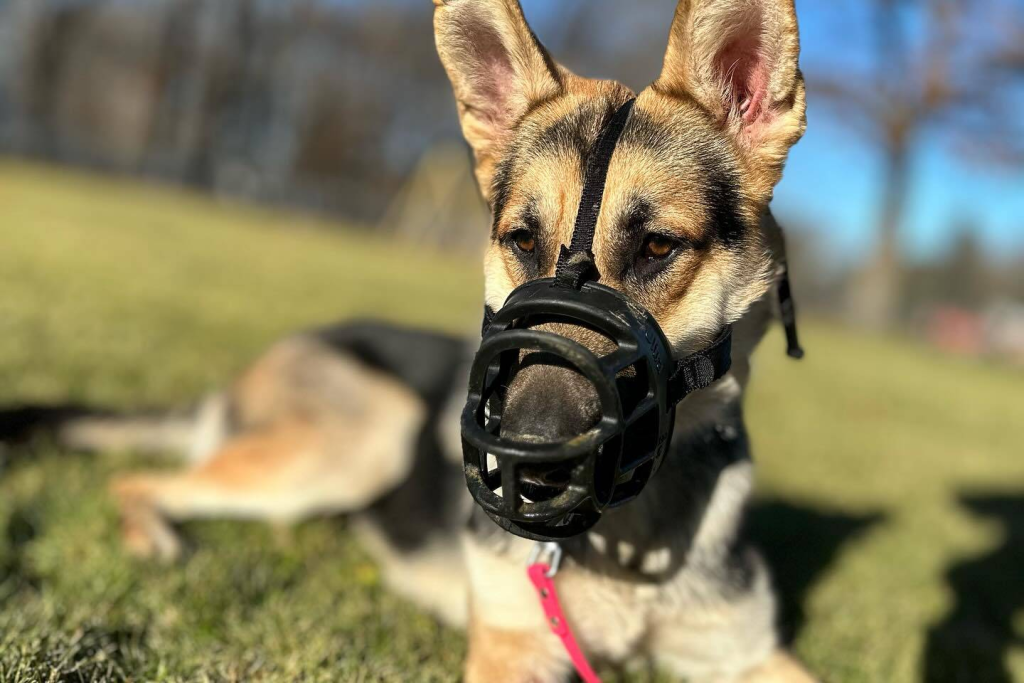
The Muzzle Debate: Understanding Why and When Dogs Need Them
Here is a topic that sparks a lot of opinions and emotions among dog owners and enthusiasts alike: muzzling dogs. Whether you’re a seasoned pet parent, a casual dog lover, or someone curious about canine behavior, understanding the why and how of muzzles can really change the way you see this often misunderstood tool.
At first glance, the word “muzzle” might conjure images of restriction and discomfort, but there’s far more to the story. Let’s explore the nuances behind muzzling dogs—debunk some myths, share practical advice, and hopefully clear up some confusion.
Why Do Dogs Wear Muzzles?
Muzzles are not a punishment or a sign that a dog is “dangerous” by default. Instead, they’re a safety device, much like a helmet for a cyclist. Owners use muzzles for many reasons, some practical and some based on specific situations:
- Safety first: In some cases, dogs may react defensively due to fear, anxiety, or pain. A muzzle can help prevent bites during a vet visit or while grooming.
- Public rules: Certain breeds are required by law to wear muzzles in public, or local regulations may mandate them in crowded places.
- Training aid: Experienced trainers sometimes use muzzles to manage aggressive or reactive behavior temporarily while working on long-term solutions.
- Unpredictable hitchhikers: When meeting new dogs or people, a muzzle can be a precautionary tool until everyone feels comfortable.
Here’s the thing: A muzzle doesn’t stop a dog from wagging their tail, panting, or showing affection. It simply controls the possibility of biting. And for some dogs, it means a safer, less stressful experience for everyone involved.
Picking the Right Muzzle: Comfort Matters!
One of the biggest mistakes owners make is thinking all muzzles are the same. Not so! There are different types designed with the dog’s comfort and purpose in mind:
- Basket muzzles: The gold standard for comfort and safety. They allow dogs to pant, drink, and even take treats. Ideal for longer use.
- Soft muzzles: Made of fabric, easy to pack and use for short durations. But they restrict panting, so they’re not suitable for extended wear.
- Others: Plastic or leather options vary widely, but the key is fitting your dog properly and never leaving your dog unattended with a muzzle on.
When introducing a muzzle to your dog, patience and positive reinforcement are your best friends. Pairing it with treats and calm praise can transform what feels intimidating into an accepted part of routine.
Myths and Misunderstandings
People often assume that a dog wearing a muzzle is aggressive or a bad pet. This couldn’t be further from the truth. Dogs don’t wear muzzles because they want to be “bad”; often, it’s the responsible choice made by owners who are prioritizing safety and stress reduction. In fact, many dogs actually find wearing a properly fitted muzzle reassuring once they get used to it, especially in stressful situations.
Another common misconception is that muzzles completely cover the dog’s mouth shut. As mentioned earlier, many muzzles allow mouth movement, panting (which helps dogs cool down), and even drinking. The key is choosing the right type for your dog’s needs.
When Should You Consider Muzzling Your Dog?
If you’re wondering whether a muzzle might be right for you and your pup, here are a few signs and situations to consider:
- Your dog reacts unpredictably to strangers or other dogs.
- You’re introducing them to a veterinary or grooming environment that causes stress.
- You’re traveling where muzzles are required by law or recommended for safety.
- You’re currently working with a professional trainer on behavior issues that require caution.
Always remember that a muzzle isn’t a cure-all. It should be part of a broader strategy involving training, socialization, and understanding your dog’s unique personality and limits.
Final Thoughts
Muzzles play an important, sometimes lifesaving role in responsible dog ownership. Far from being a mark of shame, they represent a thoughtful approach to safety and care. With the right muzzle and a little training, you can keep your dog—and everyone around them—happy, safe, and comfortable.