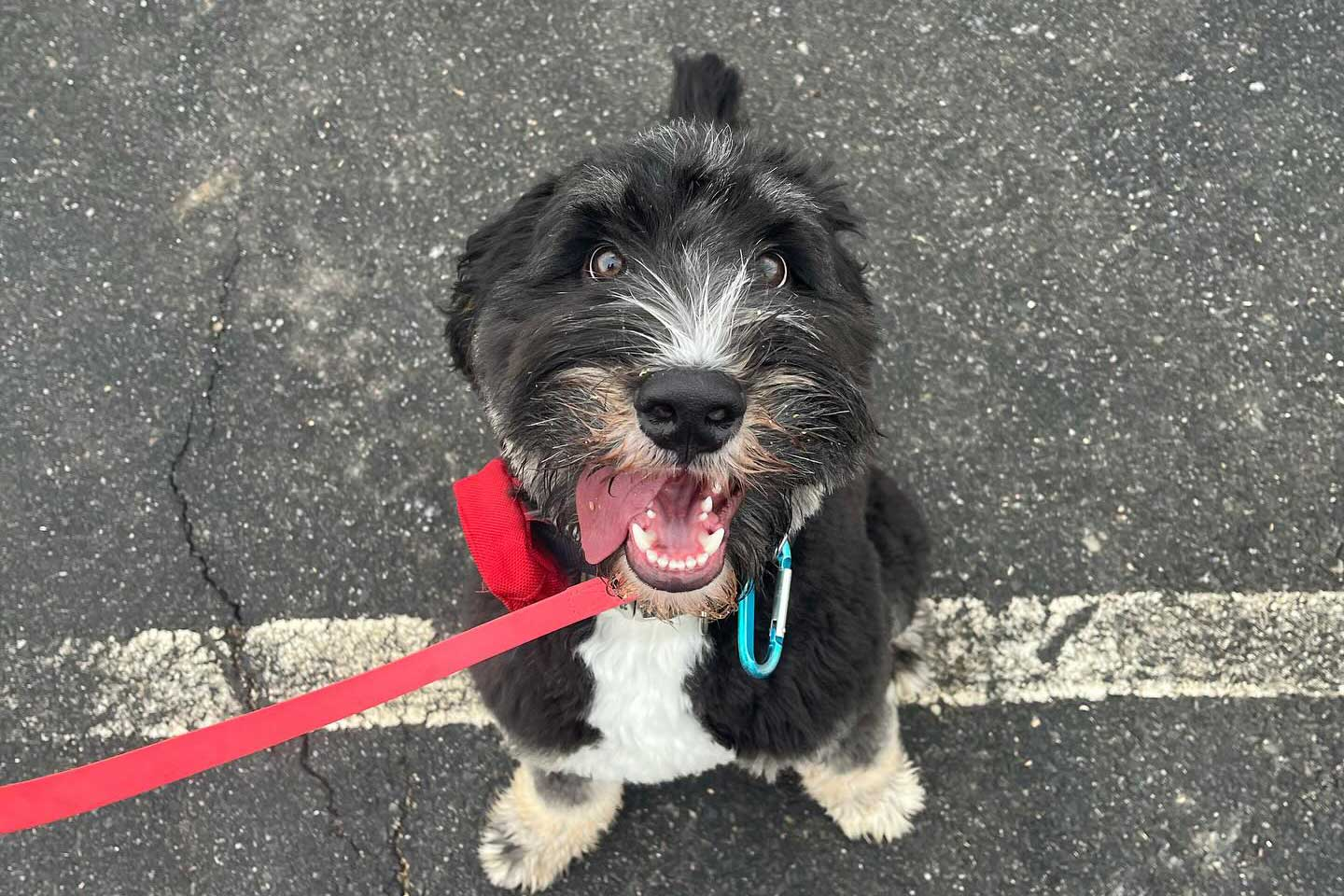
Mastering Behavior Modification for Dogs: A Friendly Guide to Happy Changes
Whether your furry friend is a mischievous puppy or a seasoned tail-wagger, chances are you’ve faced some behavioral quirks that could use a little tweaking. Lets dive into the fascinating world of behavior modification for dogs—a practical, science-based approach that helps both you and your pal live more harmoniously.
Think of behavior modification as a toolkit designed to reshape those unhelpful habits, calm the anxious moments, and even turn “bad” behaviors into good ones. But don’t worry—it’s not about harsh punishments or tough love. Instead, it’s a thoughtful, compassionate method that strengthens your bond and makes daily life easier and more joyful.
What Is Behavior Modification and Why Does It Matter?
At its core, behavior modification is about changing learned behaviors by systematically using rewards, consequences, and environmental adjustments. Dogs don’t behave badly to spite us—they react to their experiences and surroundings. When we understand the “why” behind their actions, we can guide them toward better choices without stress or confusion.
Common goals include reducing barking, curbing jumping up on guests, easing separation anxiety, or managing leash pulling. The beauty of behavior modification? It respects the individual dog’s personality and pace.
Proven Techniques That Work
- Positive Reinforcement: Reward the good stuff. Whether it’s treats, praise, or a favorite toy, reinforcing desirable behaviors helps dogs learn what we want from them.
- Counter-Conditioning: This is about flipping a dog’s emotional response. For example, pairing something scary—like vacuums or strangers—with yummy treats can slowly turn fear into curiosity or calm.
- Desensitization: Exposing dogs gradually and gently to triggers at a manageable level to reduce sensitivity over time. Think of it as dipping toes in the water rather than jumping in cold.
- Operant Conditioning: Teaching dogs that their actions have consequences—including both rewards and mild, humane corrections—helps clarify expectations.
Here’s a gentle reminder: consistency and patience are your best friends. Change doesn’t happen overnight, but every small step is progress.
Tips for Success and a Happier Hound
- Keep training sessions short and fun to maintain your dog’s interest.
- Observe your dog’s body language—knowing when they’re overwhelmed helps avoid pushing too far.
- Mix up rewards to keep things exciting; sometimes it’s a treat, sometimes it’s a game of fetch.
- Celebrate small wins. Those tiny victories build confidence—for both of you!
Remember, when in doubt, collaborating with a professional dog trainer or behaviorist can make a huge difference. Sometimes an expert eye uncovers subtle triggers or patterns we might miss on our own.